We arrived in Valencia around 3pm and set off in 35deg+ temperatures to the hotel to dump our bags then back out toward the beach. We caught another great metro system straight to the beach and walked out to the America’s Cup pavilion. This building looks fantastic from afar, with its shifted floor plates creating large cantilevers each shading those below. The building sits upon a raised plinth overlooking the harbour, the working harbour in the distance and numerous specialized buildings specifically for the Americas cup race in the immediate harbour. The buildings podium is open to the public, allowing a good view of the harbour. I did find it unfortunate that the building does not seem to be ageing well. The soffit of each floor plate is lined with square tiles, all of which are warping in the maritime environment. The timber flooring is weathered badly with numerous boards broken and warped. On the podium level, empty retail spaces lie dormant and in need of maintenance. This is an iconic building for Valencia’s harbourside, it's a shame that it is not better maintained.


We then walked out along a long stretch of sand to the Mediterranean, where thousands of locals and tourists alike had come to escape the sweltering summer heat. The water temperature was so warm, around 28 deg at a guess. We didn’t stay long here as the sun was too hot if you were not in the water.

We wandered back to the metro and caught the tram / train back to the city. Here we disembarked at Calatrava’s Alameda station. The walls were lined with Calatrava’s signature mosaic tiles, with steel and glass structures in abundance. The exhaust vents are made a feature part of the architecture as is very much the structure. A great part of Calatrava’s work is the ability for the architecture to animate. The metro entry shelters are hydraulically operated, able to completely open and closed allowing the metro to be secured without the need for doors – ingenious! This has certainly made me think differently about design.

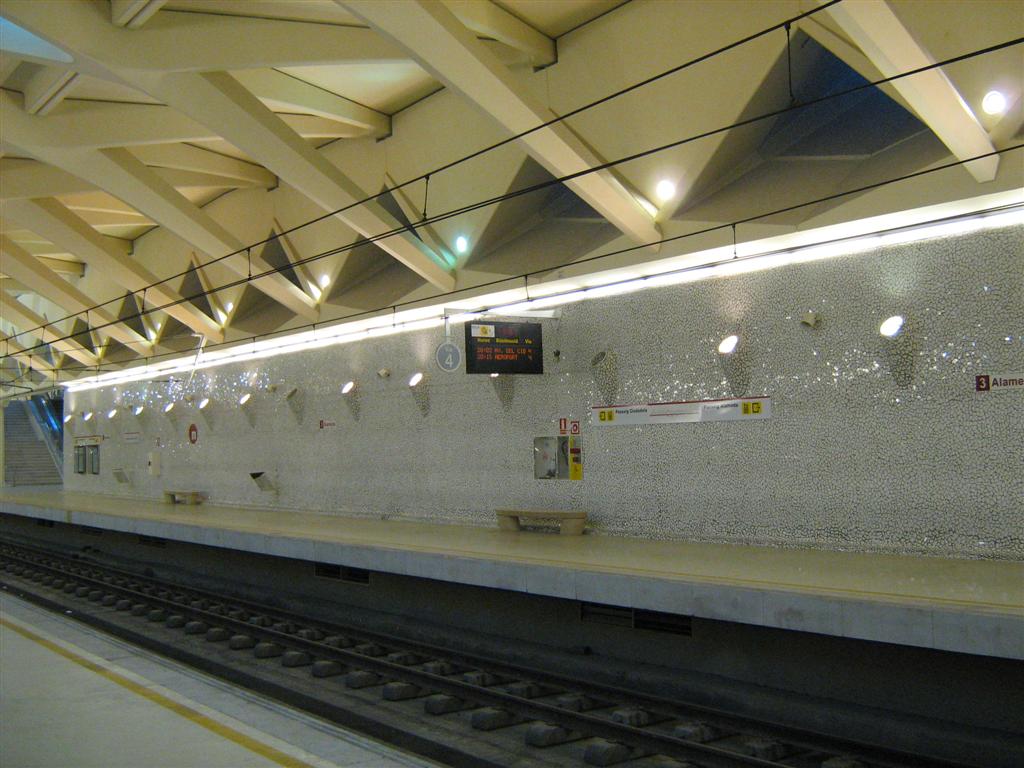

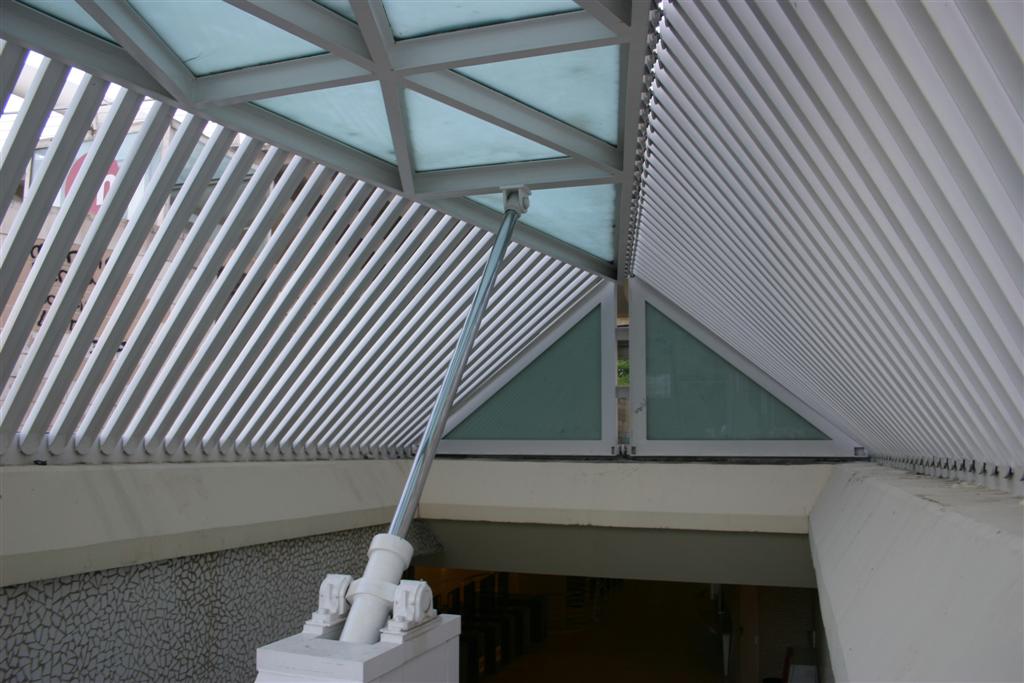

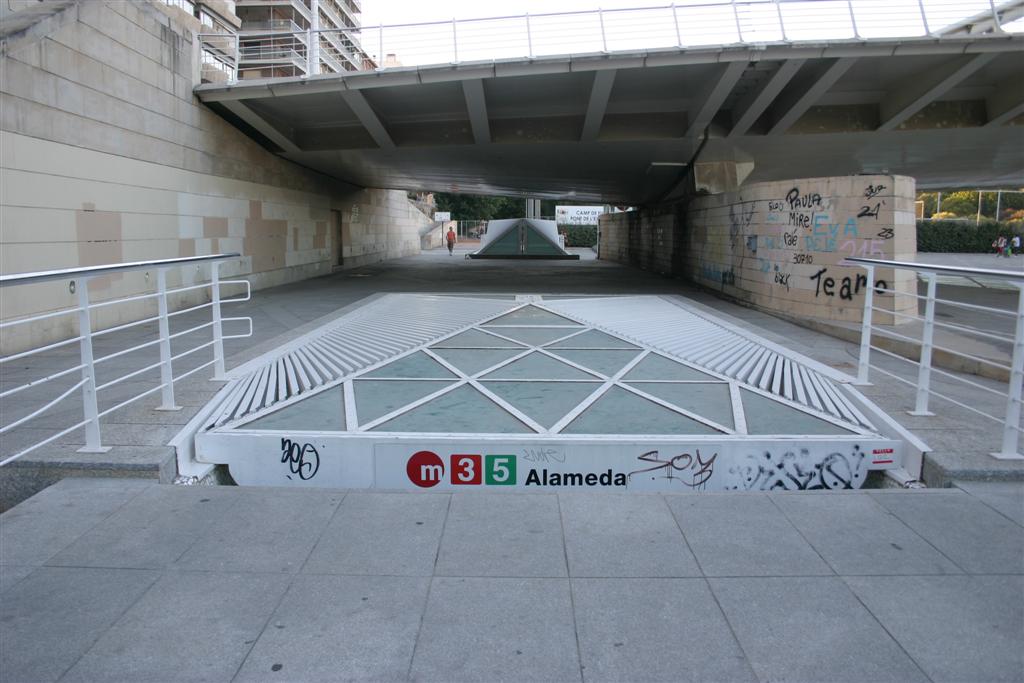


Hot Tip #5: Doors are for architects who haven’t thought of hydraulics!
It was beginning to get dark so we grabbed some dinner and headed back to the hotel for a well deserved sleep.
22/08/10
We rose early to grab a quick breakfast and head out to the city of the arts and sciences, Probably Valencia’s most well known area architecturally.
We walked out along the Jardin de Turia, a long sunken park which runs directly though the city. It seems to follow a path of a long dried up river. This Park is stunning beautiful, the well manicured gardens and paths weave its way through the city. The anticipation steadily built as we headed towards the southern most end of the park where lies the city of the arts and Sciences.


These buildings are just magnificent, like something out of a science fiction film, they are like nothing I have ever experienced before. I have seen dozens of pictures before, though they do no justice to these works of art. It makes one think if there is any division between art and architecture, these buildings certainly blur that line if there is one.


Again these buildings are clad in the same tiled mosaic that the Alemeda station is. Calatrava’s signature structure features soar out from the earth, weaving their way up each building. There is just no way to describe the feeling when you walk around these buildings. There is no angle, no side nor view where these buildings look bad. Whilst they may not be environmentally sustainable (they are heavily air-conditioned), they certainly do their bit on a global scale architecturally as works of art. It is evident on the look of each visitors face that they had definitely been moved by the experience of being here.


We entered the Science Museum (Museu de les Ciencies Principe Felipe) and were immediately struck by a stunning colonnade under which ticket booths, cafeteria and shops reside. Going up to the museum proper through a porthole escalator takes you to another world of steel and glass. Again, exposed glass everywhere meant that the buildings heat gain was enormous, however due to the height of the space and the floor mounted AC diffusers meant that you didn’t really notice the heat. Once you start to look closer, you realize how Calatrava has managed to create the shapes that make up the structure of the building. Only structural elements are made from a combination of either concrete or steel. Lightweight clad sections make up the ornate elements of the buildings, usually fibre cement or plasterboard clad and set to the structure. Many thermal cracks had formed in the lightweight elements where the different materials meet, although not overly noticeable to the average person. These buildings, unlike the Americas Cup Pavillion are very well maintained. It is impossible to mention all the features of the building in this blog, So I will let the pictures tell some of the story here.
.JPG)

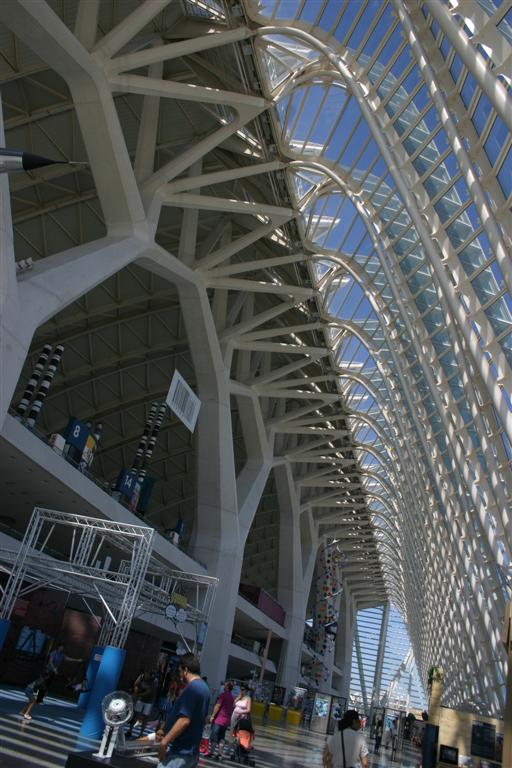

From here we walked over to the L’Oceanographic, ie the Aquarium passing the still under construction Agora. Not sure of the history of this building, though it fits well amongst the precint, and is clad again in a mosaic of tiles in a navy blue colour. The aquarium was spectacular also, with its signature buildings (designed by Felix Candela) Surrounded again by water and shaped in the form of a watter lilly, the aquarium was well presented and well worth the visit.


Getting late in the afternoon, we then headed back to the city for dinner and a freshen up. I was very keen to go back to the precinct after dark to take some night time shots of the precinct. At night, the area takes on a different feel, a full moon made for some cool shots.


Hot Tip #6: If you dont know of this area, or Calatrava's work. I highly recommend that you check it out.! This is a must see destination.
We decided that we would walk there and catch the bus back. However, since it didn’t get dark until around 10pm we weren’t ready to head back to the hotel until midnight and we found out the busses stopped running at 10:30.
Hot Tip #7: Check the bus timetable before you plan your trip.
So we had to walk to entire 10km round trip….. on my still very sore feet…. It was worth it! I did get a little carried away on the photo’s though, A total of more than 400 for the day.
The next day we headed out to the old city, taking in its history visiting the central markets, the cathedral and getting lost among its many shop-lined laneways and streets. Today, the temperature hit around 42 deg, so we indulged in an afternoon siesta back at the hotel before hitting the shops for the evening.


Cant wait to head to Barcelona Tomorrow.
Mick.

.JPG)
.JPG)
.JPG)
.JPG)


